
As 2024 Ends
December 16, 2024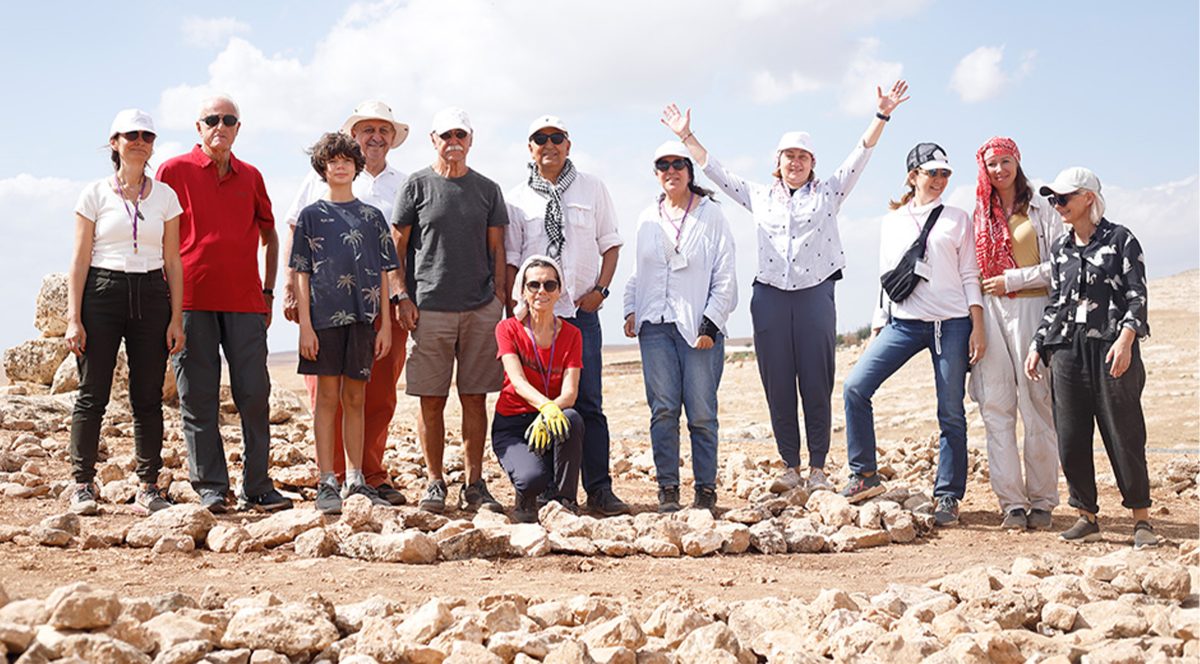
Our Story
Our idea to support the Karahantepe excavations first began in October 2018 with a 4-day visit to the region led by Prof. Dr. Necmi Karul, by a group of 30 friends—mostly members of the World Heritage Travelers Association—who have seen hundreds of heritage sites in dozens of countries both at home and abroad.
The idea for the trip came from Celal Çınar Akata. Mr. Celal was a friend of the excavation director, Prof. Dr. Necmi Karul, from the Aktopraklık excavations. Many of us had seen Göbeklitepe before, but we knew nothing about Karahantepe. Professor Necmi said, "When the excavations begin at Karahantepe, we will understand Göbeklitepe better, and there will be important discoveries both in our country and on a global scale. We will be among those who see this before the excavations begin, and we will leave this trip very happy."
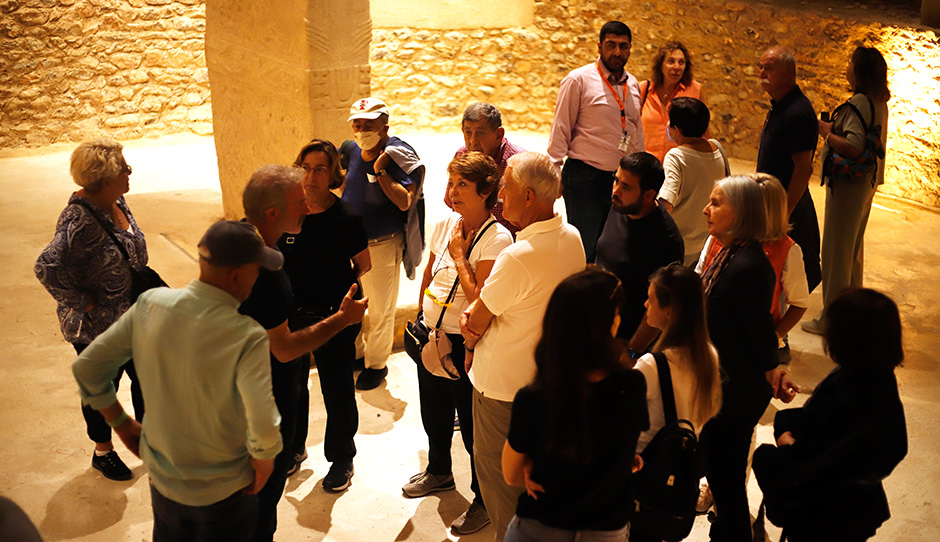
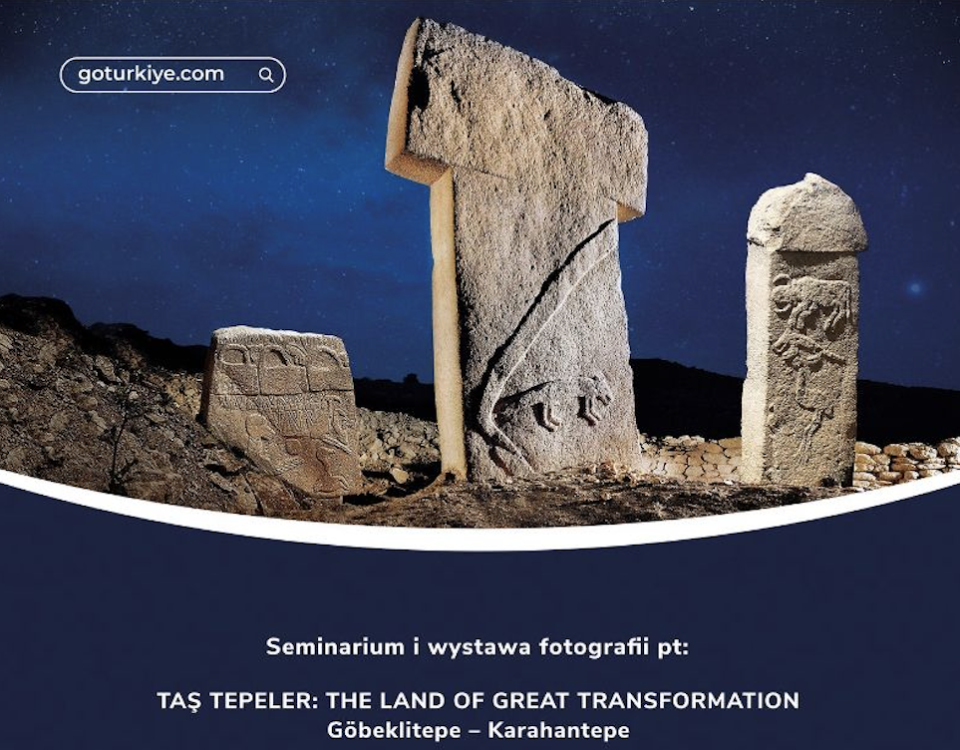
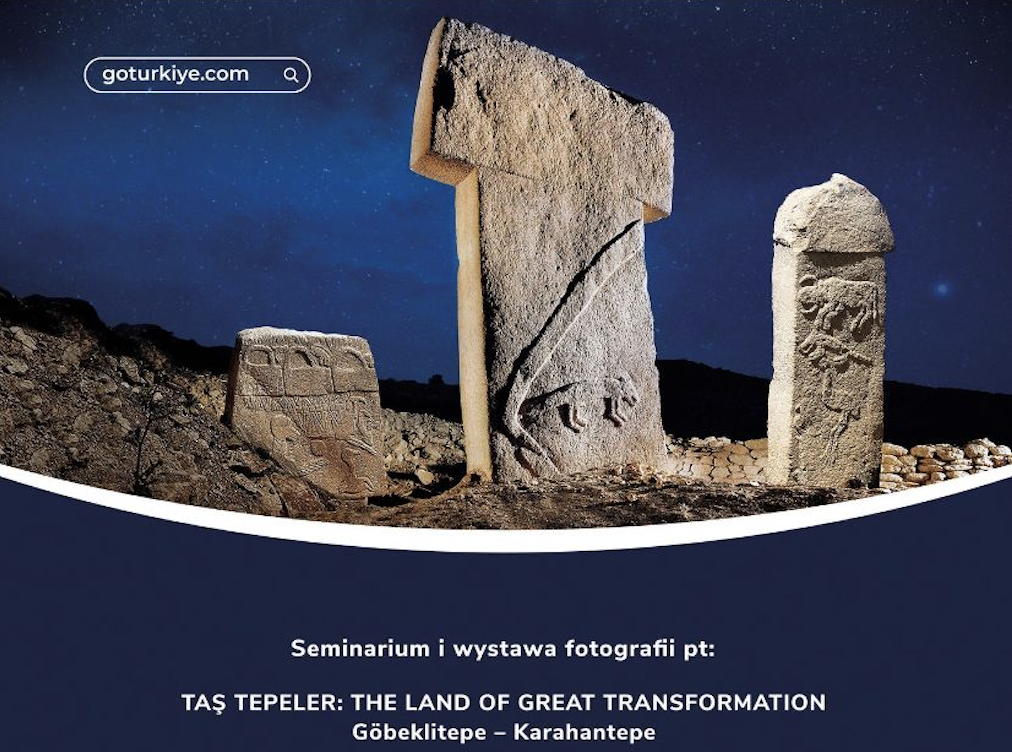
Our trip began with visits to the Gaziantep Zeugma Museum, the Şanlıurfa Archaeology Museum, and the area around Balıklıgöl. Our guide was Müslüm Çoban, who had previously served as the president of the Şanlıurfa Guides Association. The second day of our trip started early in the morning with a visit to Göbeklitepe. A pleasant surprise awaited us there. We were greeted by Dr. Lee Claire, the Göbeklitepe research and excavation coordinator and research fellow at the German Archaeological Institute, who had worked with Klaus Schmidt for a long time. Claire told us about the excavation's journey from its beginning to the present day, Klaus's efforts, and their attempts to decipher the meanings of the discovered figures. We were all very impressed when we saw the symbols on the 12 T-shaped pillars, weighing up to 15 tons each and ranging in height from 1.5 to 6 meters.
Our esteemed Professor Necmi also shared some details throughout the presentation. He expressed his happiness that Göbeklitepe, which was included in the UNESCO World Heritage Tentative List in 2011, was added to the permanent list as our 18th site at the meeting held in Bahrain on July 1, 2018, and provided us with valuable information about this process.
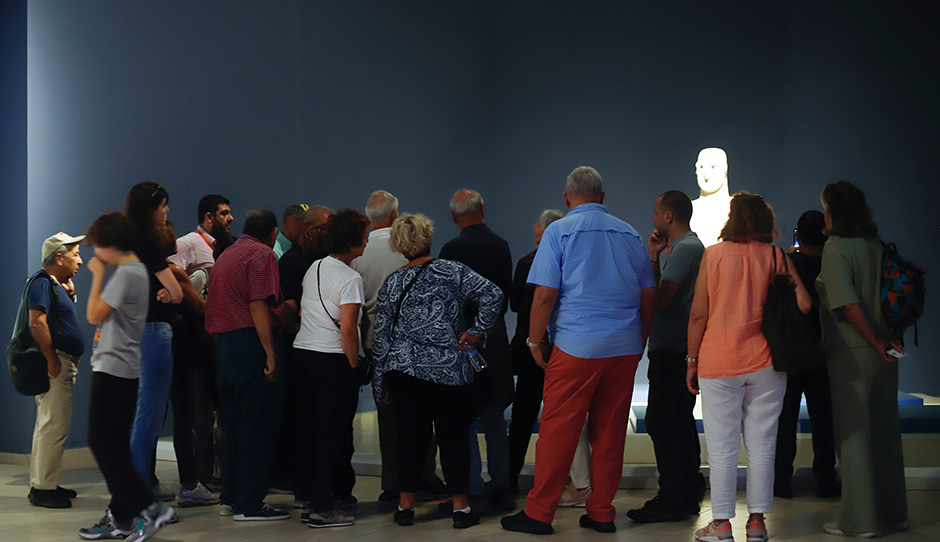
Afterwards, we set off towards Karahantepe, a place we had been eagerly anticipating. We covered the approximately 60 km distance in about an hour. During the journey, our guide provided us with valuable information about the region. We passed the quarries that had caused significant damage to the area and reached Karahantepe. Mehmet Can and his family, who have been voluntarily protecting the site since its first discovery in 1997, welcomed us at their house very close to the site and offered us tea. We met the young daughters of the family and İsmail Can, who is currently responsible for protecting the area on behalf of the Governorship. Mr. Mehmet told us about the interesting events he experienced there and how they resisted the attempts of treasure hunters to plunder the site. After drinking our tea, we reached the highest point of the mound with a walk of about 10-15 minutes. The tops of some of the T-shaped columns made of limestone were visible. The guide mentioned that there were over 250 of them and that there was a very high probability of finding traces of settlements in the surrounding area. For a moment, we closed our eyes and journeyed back 12,000 years. We were in a very peaceful place. Professor Necmi told us that "the people in this region were the last hunters and the first gatherers, and the results of this excavation will shatter preconceived notions."
After taking some souvenir photos, we went back to Mr. Mehmet's house. A wonderful surprise awaited us there. We tasted local delicacies at the table prepared by the ladies and continued on our way.
Our trip was very different from any we had been on before. Most of us were encountering the concept of the Neolithic period for the first time and witnessing the great transformation of this region.
We completed our trip with beautiful memories. We shared our experiences through the WhatsApp groups we created, keeping our memories strong. In 2019, under the leadership of Professor Necmi, excavations began, and the first exciting findings emerged; then, the pandemic, which deeply affected the whole world, also appeared in our country. Not only could we not travel, but most of us couldn't even leave our homes to visit the excavation sites. The only benefit of this period was that our professors wrote perhaps more articles than they had ever written in their lives, reached wide audiences through online seminars and symposiums on social media platforms, and promoted Göbeklitepe, Karahantepe, and contemporary sites, and we benefited greatly from this.
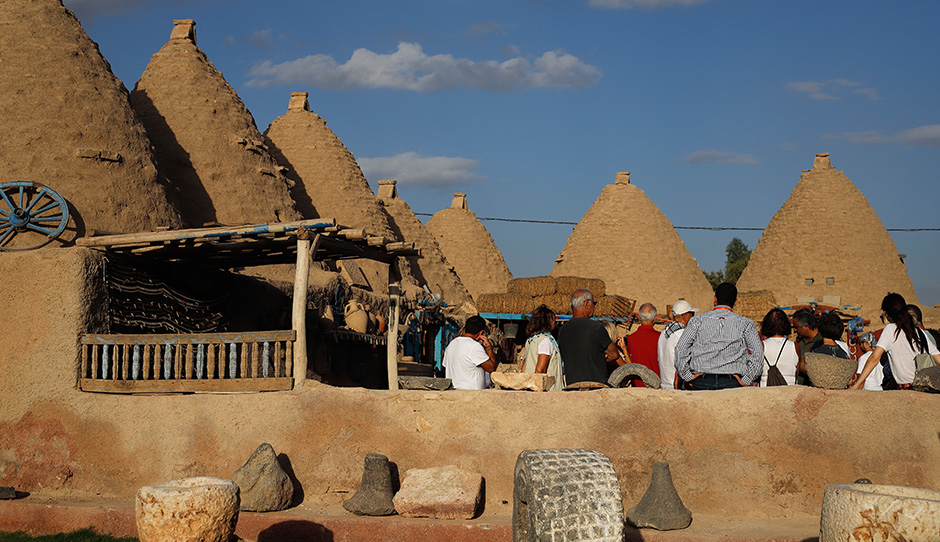
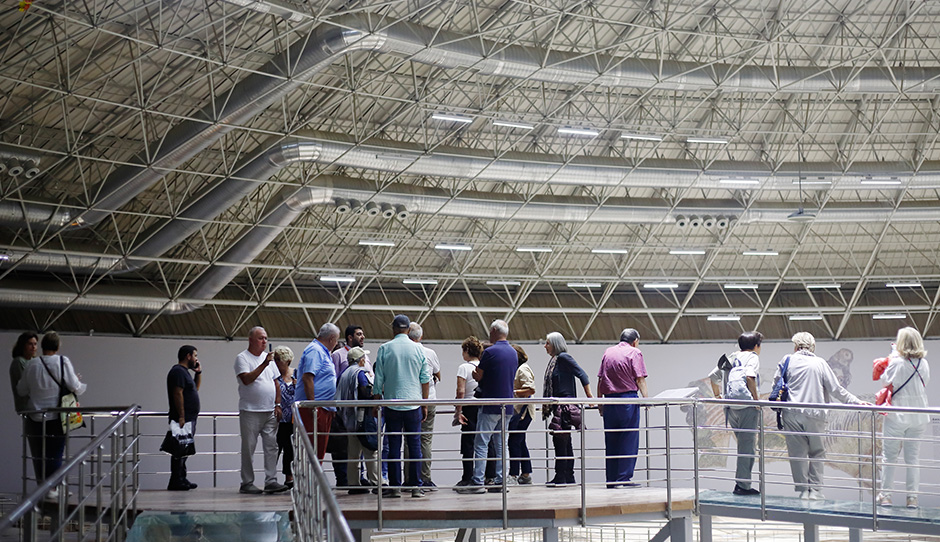
During our trip, we were accompanied by Servet Harunoğlu, a close friend of Celal Bey with whom we have had a long-standing friendship and who has done great work in many associations, and who also knows Professor Necmi well. With years of experience, Servet Bey, leading a group of experts from various professions – including family, former classmates from Boğaziçi University, and acquaintances from work and social life – all united by a love for their country and culture, proposed the idea of establishing an association to support Karahantepe research. Following meetings, the Karahantepe Research Support Association (K.A.D.D.) was established exactly one year ago. After completing the official procedures and electing its working committees, our President, Servet Bey, planned a four-day trip in September 2022. Our trip included Karahantepe, as well as the Göbeklitepe, Çakmaktepe, and Sayburç excavation sites. We set off as a group of 20 people, including some of our members and friends invited by Servet Bey who were expected to contribute to the association. Our guide was Mehmet Uncu, General Manager of Şanlıurfa Tourism Inc. You can find the details of this trip in our travel notes.
Although it was the last days of the excavation season, we saw that the members of the excavation team, under the summer sun and amidst the dust and dirt, were meticulously working the soil millimeter by millimeter, like embroiderers, and how they were pushing back time by thousands of years, demonstrating a great love and passion for their work. The excavations weren't just led by Turkish archaeologists. Scientists and archaeologists from different countries were sharing the results with great excitement and joy.
At the end of this trip, we understood very well that the last hunter-gatherers and the first gatherers of the Paleolithic Age lived in this region during the transition from the Paleolithic Age to the Neolithic Age. The fact that this entire process took place on our land is a great source of pride for all of us. Within a 100 km² area encompassing the foothills of the Tek Tek Mountains and the national park, there was uninterrupted life between 9600 BC and 8400 BC. Initially described as 12, then 18 mounds, the number of which seems likely to increase. The area is vast, and there is much work to be done. Can you imagine? Only 3% of the area at Karahantepe has been excavated, and these amazing results have emerged.
At the end of this trip, we understood once again why we chose Karahantepe as our target. As a Civil Society Organization with no political agenda, solely driven by a passion for science, history, and culture, and focused on Mesopotamia, prehistory, and the story of these ancient lands, we embarked on this journey with great enthusiasm. You can follow our journey on our website and social media accounts.